

For Debbie, life has always been about moving forward. Whether she was walking on a hiking trail with her husband Brian, exercising outdoors, or simply enjoying the beauty of nature, staying active has always been part of who she is. Today, as she and Brian prepare to move back to Arizona to be closer to their children and possibly future grandchildren, Debbie is looking ahead with excitement: not because life has been easy, but because she’s learned to embrace every chapter with determination, gratitude, hope, and her faith.
Just before her 52nd birthday, Debbie began noticing that something wasn’t quite right. Her left fingers weren’t moving naturally, and small changes gradually became harder to ignore. After visiting a neurologist, she received a Parkinson’s disease diagnosis… in what felt like only a matter of minutes.
“I was in complete denial,” Debbie recalls.
She sought additional testing, asked questions, and looked for answers that might tell her something different. It wasn’t until further evaluations confirmed the diagnosis that she began accepting what lay ahead. Looking back, she says the experience taught her an important lesson: trusting knowledgeable healthcare professionals and building a care team she believed in and supported her goals.
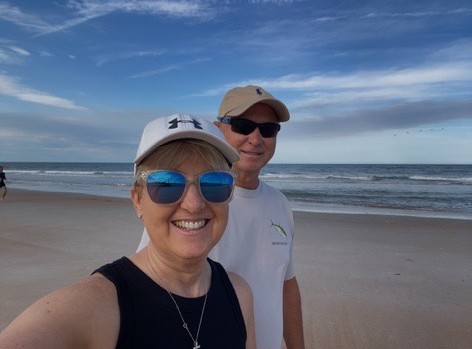
An athlete at heart and the youngest of eight siblings, Debbie has always loved being outdoors. Even as Parkinson’s became part of her life, she refused to let it define her. She made exercise a priority, incorporated physical therapy into her routine, and continued finding ways to stay moving. Whether it was walking the beaches in Florida or walking on hiking trails during a trip to Georgia, she focused on what she could do instead of what she couldn’t.
Over the years, Debbie worked closely with her healthcare providers to adjust her treatment plan as her symptoms evolved. Rigidity has been one of her biggest challenges, making flexibility and movement especially important. When she and her movement disorder specialist decided to switch to CREXONT, Debbie hoped for more time between doses and greater confidence in her medication routine. Together, they fine-tuned her CREXONT dosing regimen to find a schedule that fit her daily life and treatment goals.
“CREXONT just really works for me. I’m able to take one pill three times a day, and I am able to have better control of my symptoms throughout much of the day.”
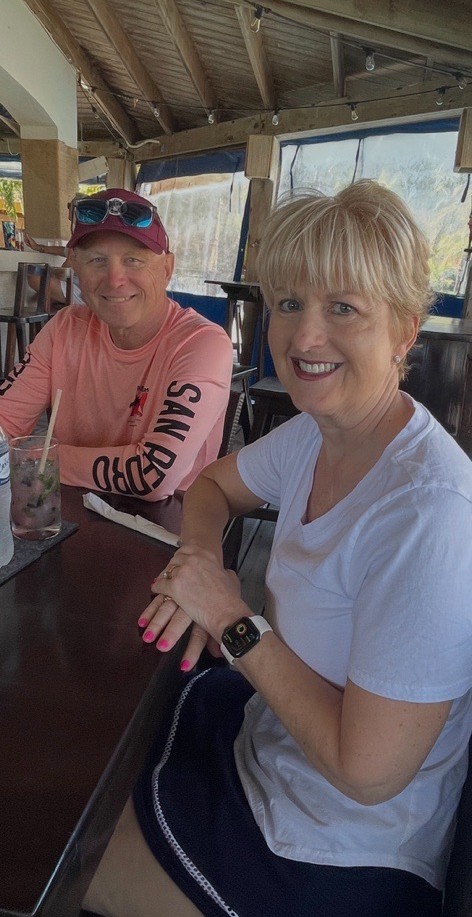
Since starting CREXONT in 2024, Debbie has noticed meaningful changes in her daily life, including less swaying and fewer involuntary movements. Brian notices these changes, too! With more consistent symptom control throughout the day, she feels steadier, more comfortable, and better able to focus on the activities she enjoys. For Debbie, CREXONT has become an important part of helping her stay active, maintain her independence, and continue embracing new adventures with confidence.
This year, Debbie and Brian celebrate 39 years of marriage. She describes him as her soulmate, and throughout every stage of her Parkinson’s journey they’ve continued to support one another through challenges, adventures, and life’s biggest decisions. They’re motorcycle riders. Travel companions. Hiking partners. And now, together, they’re preparing for another exciting new beginning in Arizona.
When Debbie meets someone newly diagnosed with Parkinson’s disease, she often starts with a simple question: “What is your goal?” For her, success comes down to three things: maintaining a positive attitude and staying connected with others, exercising consistently, and working with your healthcare team to find the medication plan that’s right for you. She also encourages people to be honest with their doctor about every symptom they’re experiencing, because those conversations can help guide treatment decisions. Most importantly, she wants others to know they shouldn’t lose hope.
“It can be very manageable, and it’s important to work with
your healthcare team to find out what works for you,” Debbie says.
“Don’t give up.”
As she prepares for a new home, new adventures, and more time with the people she loves, Debbie’s story is a reminder that a Parkinson’s diagnosis doesn’t have to take away the relationships and experiences that matter most.
More stories from real patients